

Get new content delivered directly to your inbox.
Data collection is a big part of public health practice. We use data for many things including identifying pressing health issues within communities, planning programs, and evaluating the success of those programs.
We discussed Qualitative Data and Methods in Module 7. Qualitative Data and Methods have their place in public health. Still, because of the issues we discussed in that module, it isn’t practical to use qualitative methods for every project, evaluation, or question.
We often use quantitative data and methods in Public Health. While the methods are not perfect, these methods tend to be faster, less expensive, and yield more primary data than qualitative methods.

The most common quantitative data collection method are surveys and questionairres. We will cover that in depth in Modules 9-11. This module focuses on non-survey data collection methods. Some non-survey quantitative methods include: checklists, observations, polls, and purchasing decisions.

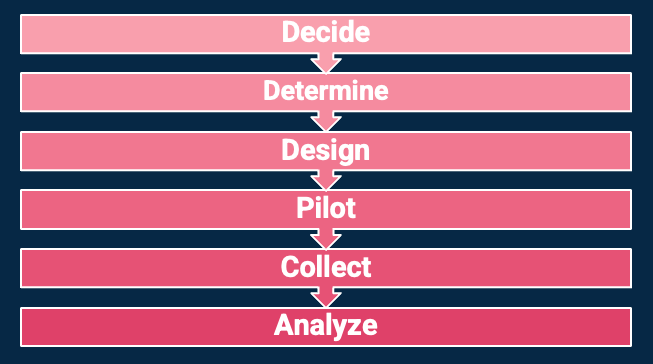
All quantitative data collection methods follow the same development process.
Non-survey methods are easy to use, self-explanatory, and often lead to future action.
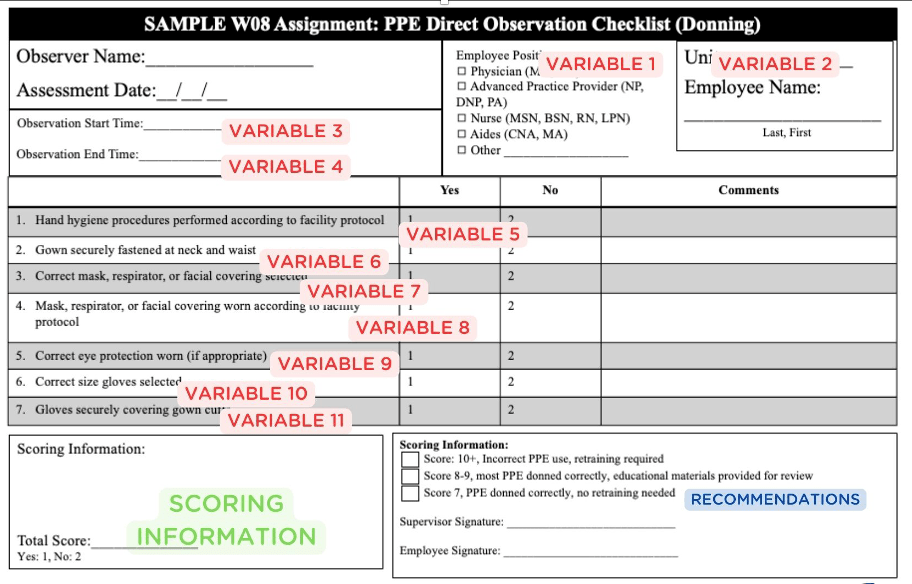
For more information on non-survey data collection instruments, consider watching the videos below.
Full slide decks are available using the links below.
 Sister Suker's Classroom